
Back in the Darkroom: Contact Sheets, Test Prints and Slowing Down
Returning to the Darkroom
There’s something quietly satisfying about returning to the darkroom. After spending so much time looking at photographs as images on a screen, I’ve recently found myself drawn back to the physical process of making photographs: laying out negatives, making contact sheets, choosing frames and watching an image slowly appear on photographic paper.
It feels slower. More deliberate. And that’s exactly what I’ve been missing.
Starting with the contact sheet
One of the first things I’ve been making again is the humble contact sheet. A sheet of negatives is placed directly onto photographic paper, exposed, and processed to produce a positive reference of the entire roll. But it changes the way you look at your photographs. Instead of scrolling through individual frames on a screen, you see the whole roll together.
You start to notice relationships between photographs - a sequence of images, a repeated subject, a particular quality of light. Some frames that seemed unremarkable when first taken suddenly become interesting when seen alongside the rest of the roll. And, equally importantly, you can see which photographs simply don’t work.
Choosing what to print
The contact sheet becomes a kind of map. From there, I can start marking out the frames I want to spend more time with. Rather than immediately making large prints, I can work through a series of small test prints, adjusting exposure and contrast and gradually figuring out what each negative needs.
This part of the process is perhaps what I enjoy most. There’s no instant preview telling you exactly what the finished photograph will look like. You have to make a decision, expose the paper, put it through the chemicals and wait. Then you turn the light back on. Sometimes it works. Sometimes it really doesn’t. And then you try again.
The pleasure of making a print
Printing photographs in the darkroom makes the photograph feel like an object rather than simply an image. The paper has weight. The blacks have depth. You can see the texture of the surface and the small imperfections that come with a handmade print.
There is also something wonderfully unpredictable about the process. A negative that looks fairly ordinary can become something completely different when printed. Small changes in exposure or contrast and some careful dodging and burning can shift the mood of an image dramatically. It’s a process of interpretation rather than reproduction.
Slowing down
Perhaps that is what has brought me back to it. Photography can be very fast now. We can make hundreds of photographs, review them immediately and move on to the next thing. The darkroom asks you to do the opposite. One roll becomes a contact sheet. The contact sheet becomes a handful of selected negatives. Those negatives become test prints.
And eventually, perhaps, one photograph becomes a finished print. There is something valuable in that restriction. It gives each photograph a little more attention. For now, I’m enjoying being back under the red light, surrounded by negatives, photographic paper and prints drying around the darkroom. It feels good to make photographs slowly again.
Future Prints
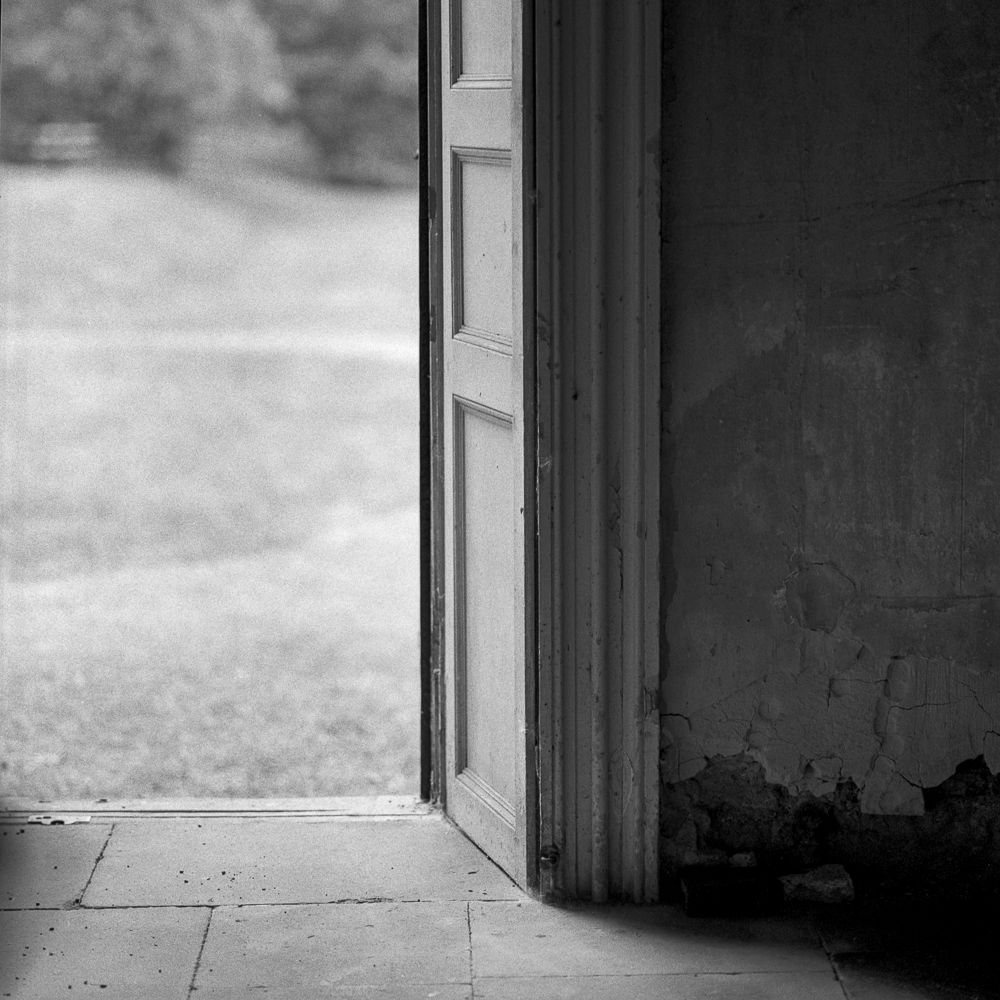
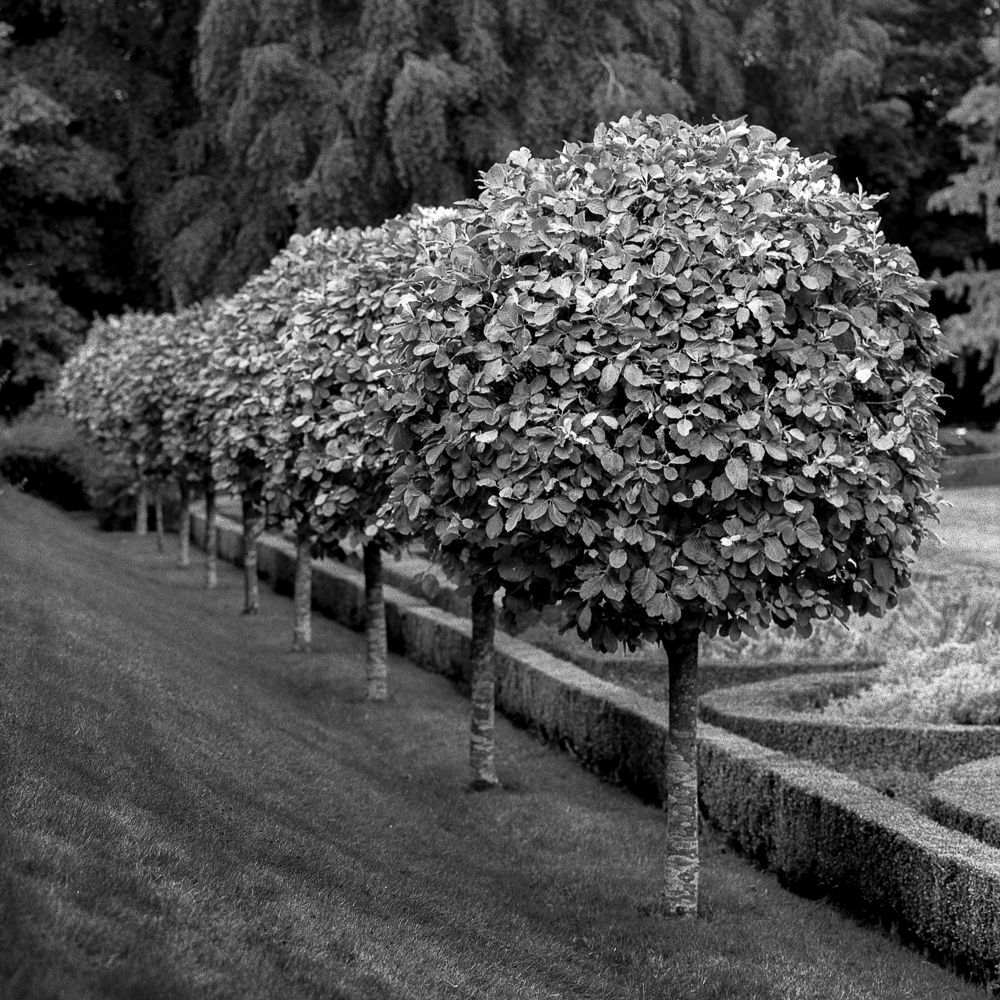
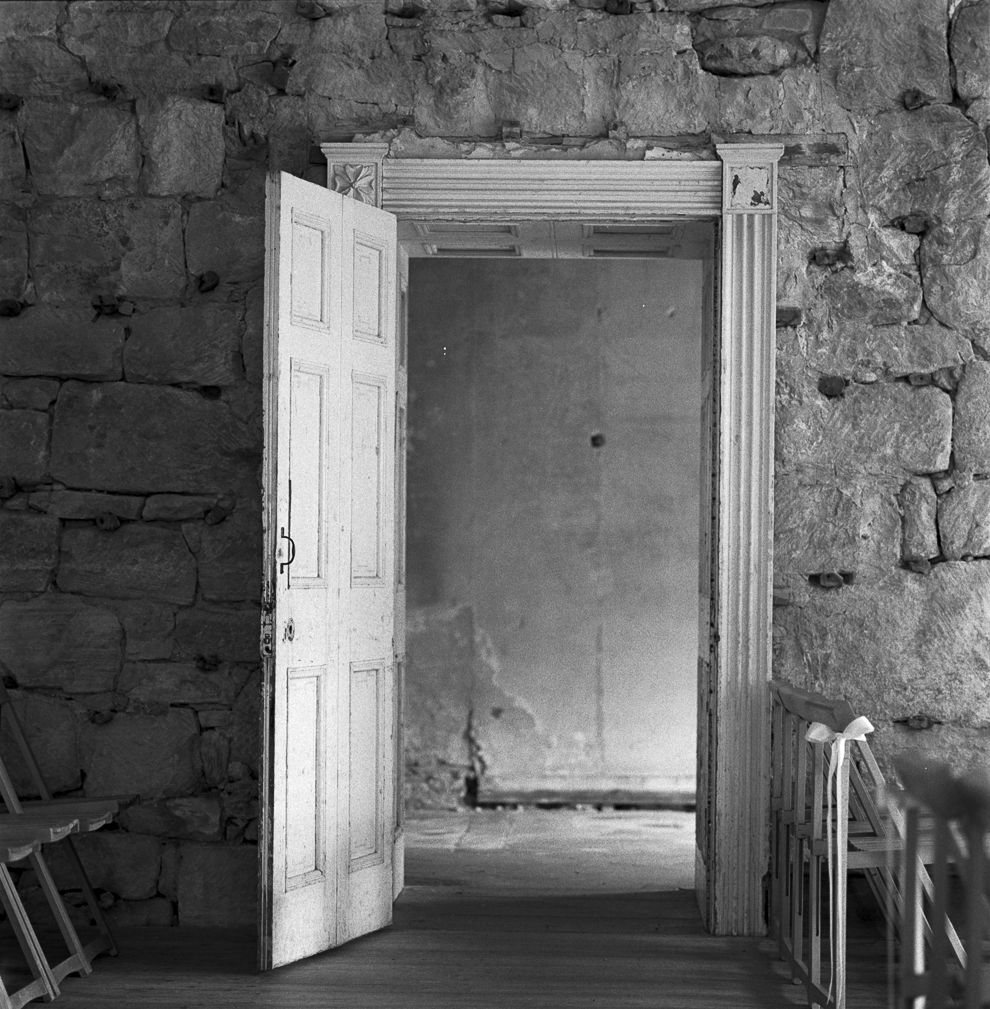
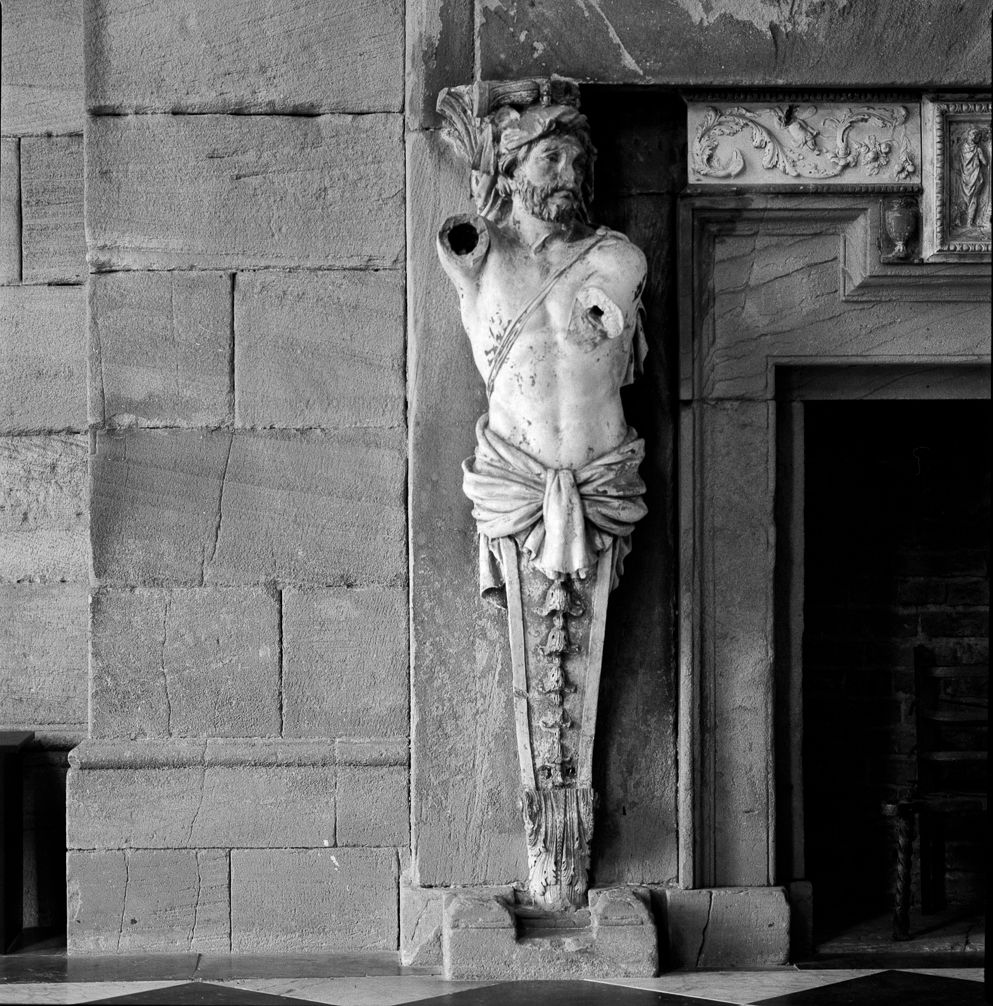
For now, these photographs are part of the process - contact sheets, test prints and experiments as I find my way back into the darkroom.
At some point in the future, limited print editions from this work will be made available. I want to take the time to work through the negatives properly, make the final prints by hand and decide which photographs belong together before releasing them.
More details will follow as the work develops.
