Mastering Light & Location with Sigma 85mm f1.4 DG DN Art
"Mastering Light and Location"
As a photographer of people and place, there's an interesting contradiction at play. Photographing people—especially busy ones—means working quickly, thinking on your feet, and making the most of very limited time. In contrast, capturing place often calls for a slower, more reflective pace, waiting for the right light, the right moment, and the quiet details to reveal themselves. Balancing the two is part of the challenge—and the reward.
Although both shot with the Sigma 85mm f1.4 DG DN | Art lens, two recent portrait shoots that come to mind couldn’t have been more different—not just in subject, but in season. One was set in the depths of mid-winter, with a biting wind and soft northern light; the other in the height of summer, under bright midday sun. Each bringing its own unique atmosphere and set of challenges. I’d visited both locations in advance to see how the light was falling and to find the best areas for shooting.
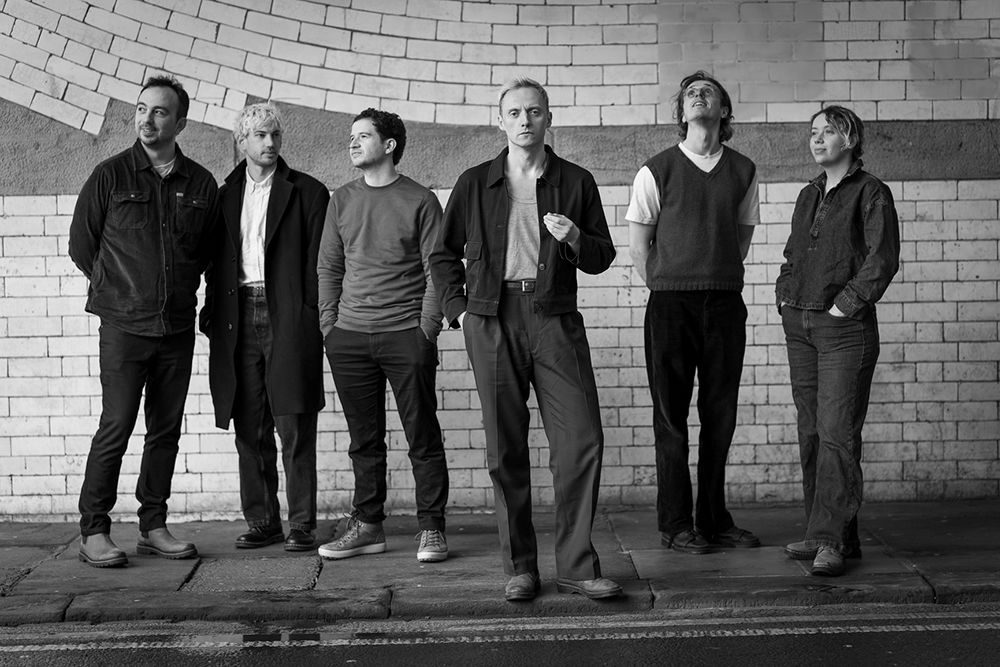
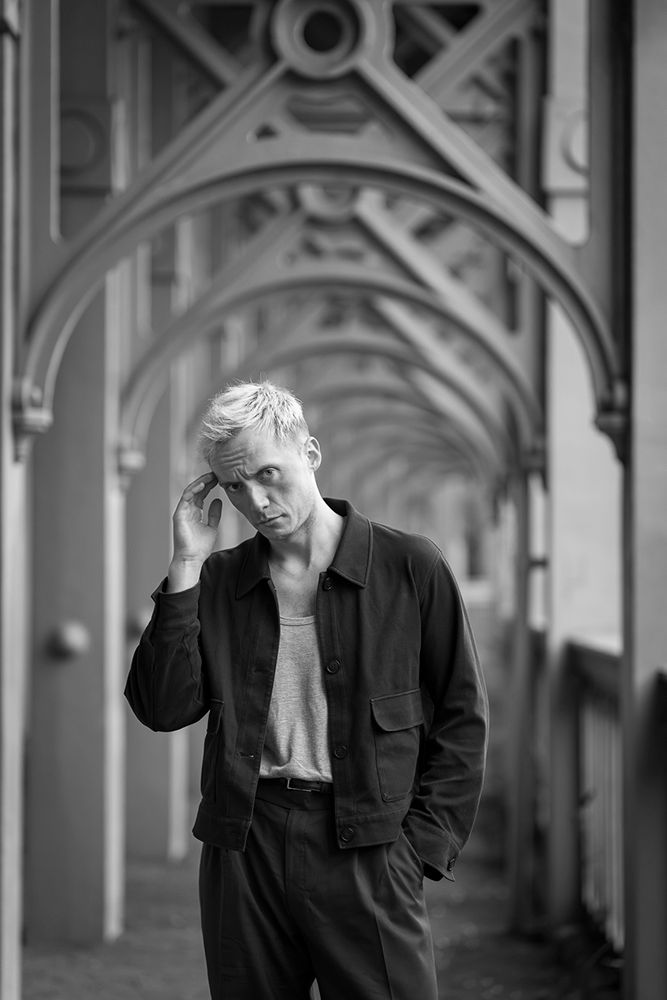
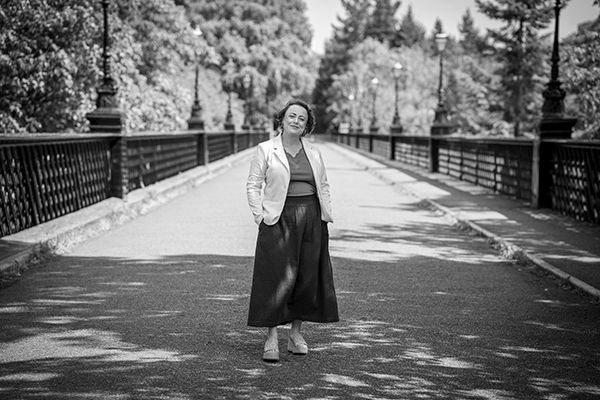
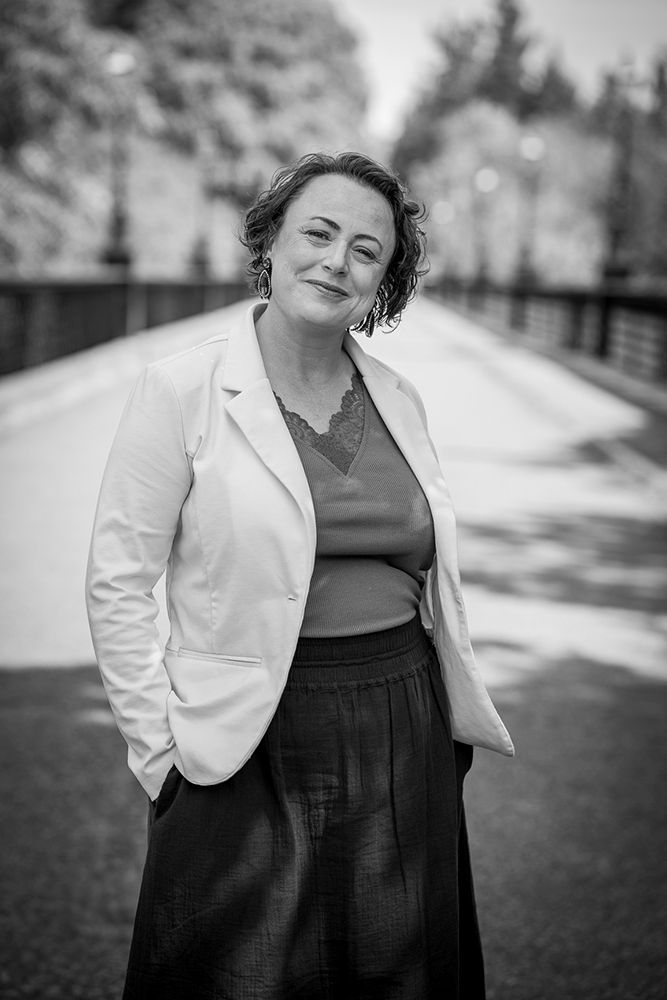
The shoots I’m talking about featured musician Hamish Hawk and Minister of State Catherine McKinnell, two busy people living very different lives—one a musician, the other a politician. Their day-to-day are world’s apart: one has chosen a creative, touring life, the other the pace of Parliament and public service. But what stood out in both was the same drive and passion for what they do, and a real connection to the people around them. Different paths, same energy.
The shots of Hamish on his own and with his band were taken on and near Newcastle’s High Level Bridge, just before soundcheck for that evening’s show in town. The frontman arrived confident and clear on what he wanted—always a joy to work with. But with time tight and the chill setting in, we had to move fast.
Catherine arrived relaxed, friendly and open to ideas for our shoot together, even taking a moment to help a young mother who asked her to take a photo with her daughter. She happily helped out. I’m always incredibly conscious of time when photographing busy people. We worked quickly—it’s a busy spot—timing our shots during brief moments when the bridge cleared of people enjoying the beautiful Jesmond Dene.
The image of Catherine on the Armstrong Bridge will used as part of the Royal Photographic Society’s Women in Photography project 40%, a celebration of women MPS captured by women photographers.
The 85mm lens is often called the best portrait lens due to its ability to render subjects with natural proportions, minimising distortion, and creating a shallow depth of field with pleasing background blur. This combination of qualities makes it ideal for flattering portraits and headshots, separating the subject from the background effectively. As someone who prefers working with a short telephoto the Sigma 85mm f1.4 DG DN Art is my go to lens for this type of shoot, especially when I’m looking to create a little Sigma magic.
Behind the Scenes
And finally, incase you’re wondering - both shoots lasted no more than 15 minutes. The ¾ length image of Catherine I held a reflector to bounce some more light into the shadows. I always shoot on manual. Using a high iso doesn’t bother me - especially for gritty band images. B&W conversions were made in photoshop. I’ve worked with Hamish for more than three years now, and this was the first time I’d met Catherine.
If you’re thinking about this kind of photography, here are a few tips that might be of help:
- Be clear about how the image will be used – Whether it’s for a publication, or personal project, let your subject know. It builds trust and sets the tone for the shoot.
- Manage expectations – If you're just starting out, don’t be afraid to say so. People are more often than not surprisingly supportive and happy to help.
- Recce your location – Visit your shoot location in advance, ideally at the same time of day you'll be shooting, so you can assess the light and plan your setup.
- Time of day matters – If you have the flexibility, choose a time that gives you the kind of light you’re after—whether that’s soft morning light, golden hour, or something else.
- Think light first, then background – Good light makes the shot. Once that’s sorted, work with the background to complement your subject without distractions.